
Buying Guides
How to Choose a Band Saw Blade for Metal Cutting
Select a metal cutting band saw blade by material, cross-section, TPI, blade grade and machine fit. Use LIANJI product examples to prepare an inquiry.
Blog
Buying guides, product insights, company news, and metal sawing industry updates.
Select a metal cutting band saw blade by material, cross-section, TPI, blade grade and machine fit. Use LIANJI product examples to prepare an inquiry.
Recommended band saw blade speeds for metal cutting by material — mild steel, stainless, aluminum, titanium and more — in m/min and SFPM, plus how to set feed by reading the chips.
Use this band saw blade TPI chart to choose teeth per inch by material thickness — for solid bar, tube and profiles. Includes variable pitch 2/3 to 10/14 and the 3-teeth rule.
Choose a metal band saw by workpiece material, shape, size, production volume and cutting process. Use LianJi model examples to prepare a useful inquiry.
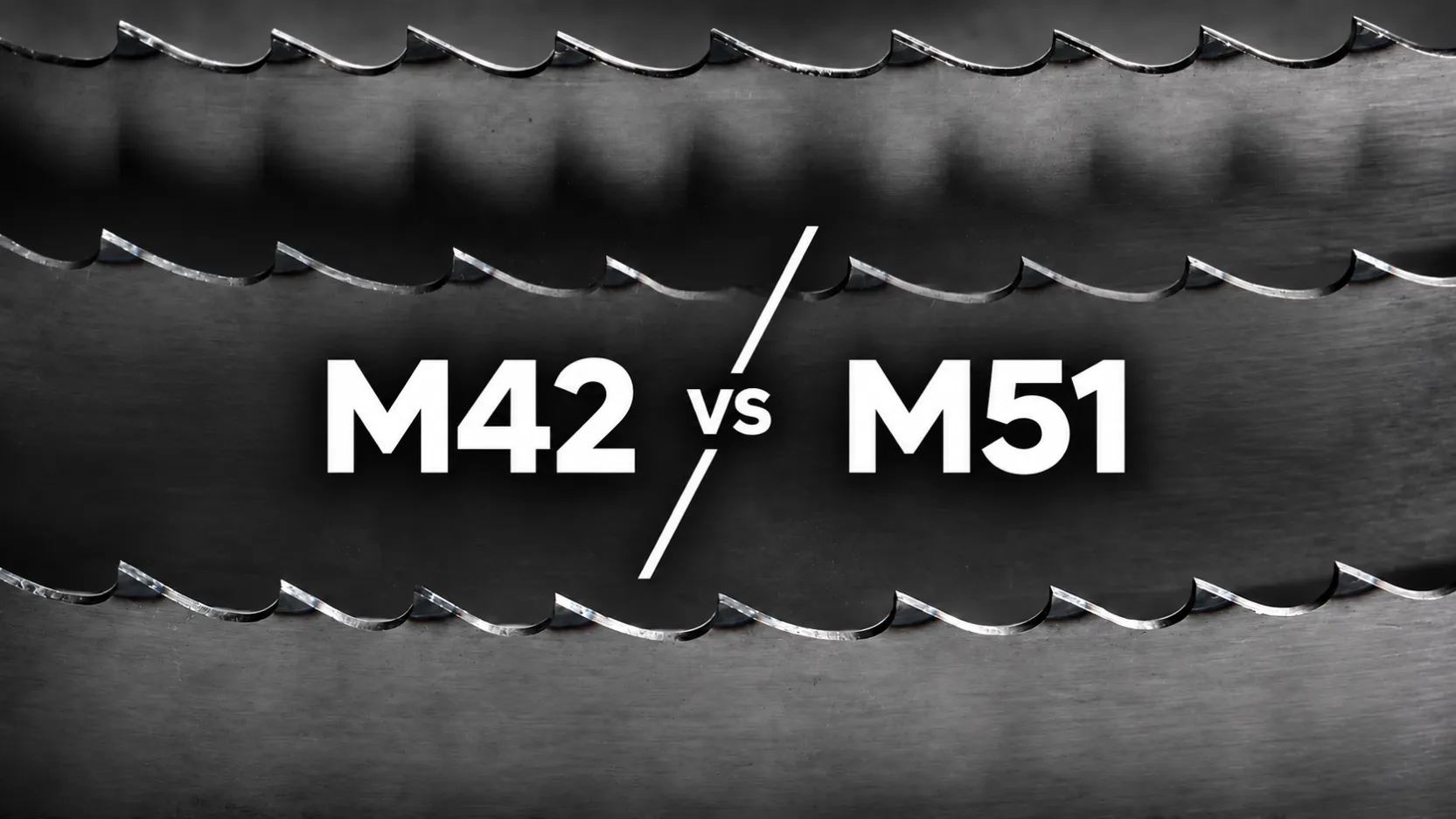
Compare M42 vs M51 band saw blades for metal cutting. Learn when to keep M42, when to trial M51, and how to calculate blade cost per acceptable cut.
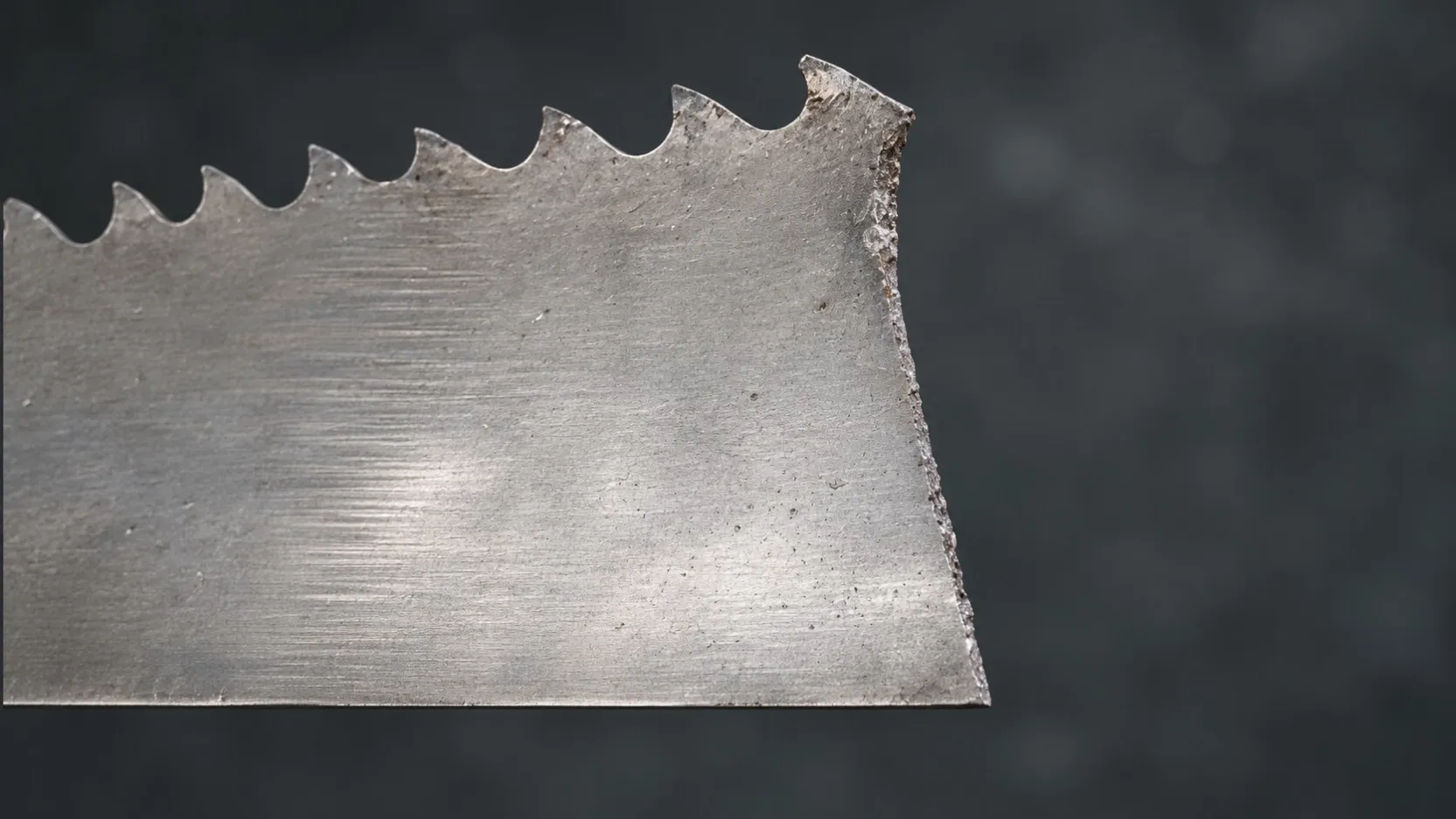
Why do band saw blades crack before the teeth wear out? Learn how backing steel fatigues and what to check at the back edge, tooth gullet, or weld.
Learn how tooth hardness, wear resistance, and toughness affect band saw blade performance, and how to compare blades in a cutting trial.
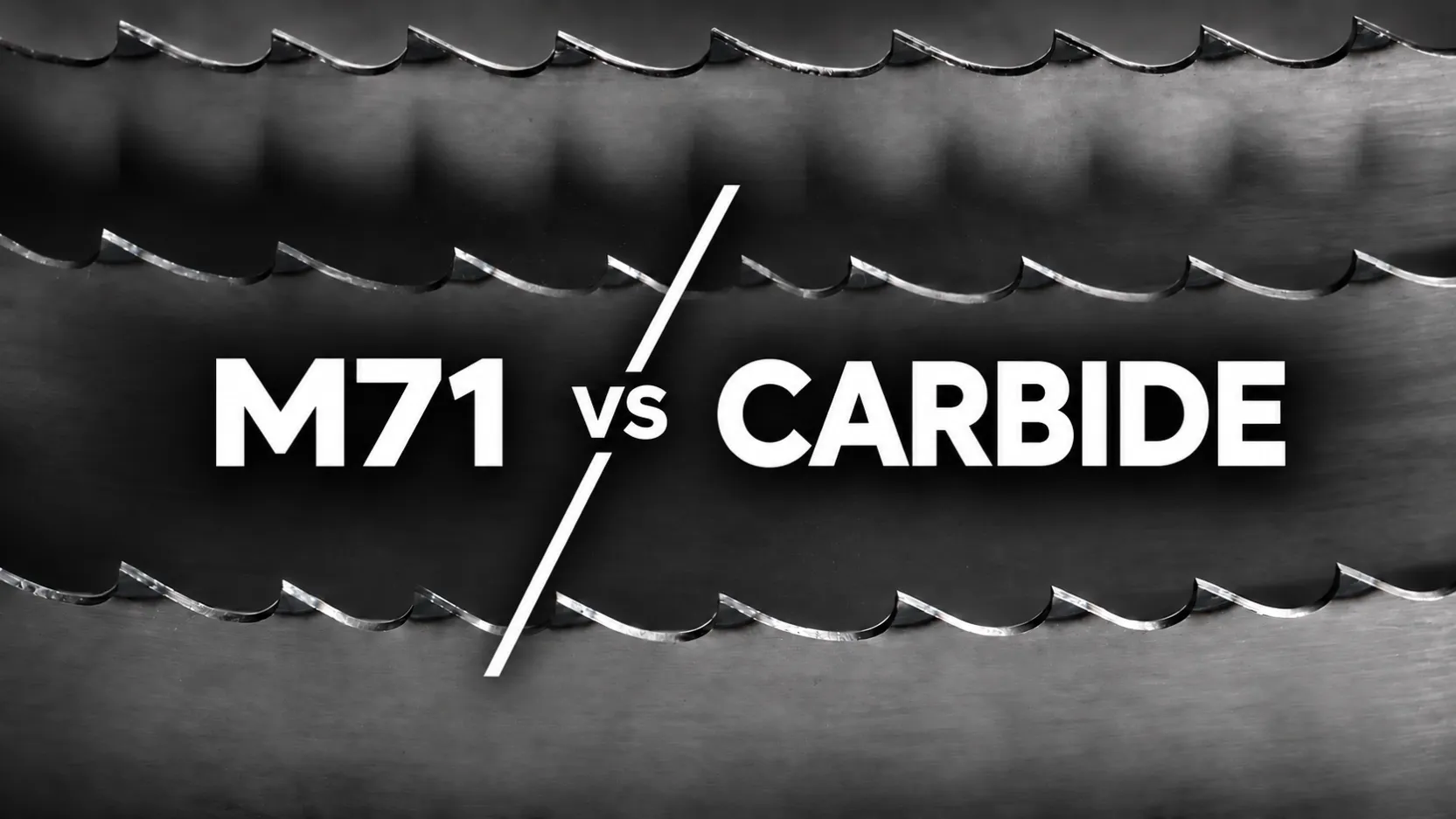
Compare M71 powder metallurgy HSS and carbide band saw blades in hardness, toughness, cutting performance, cost, and applications.
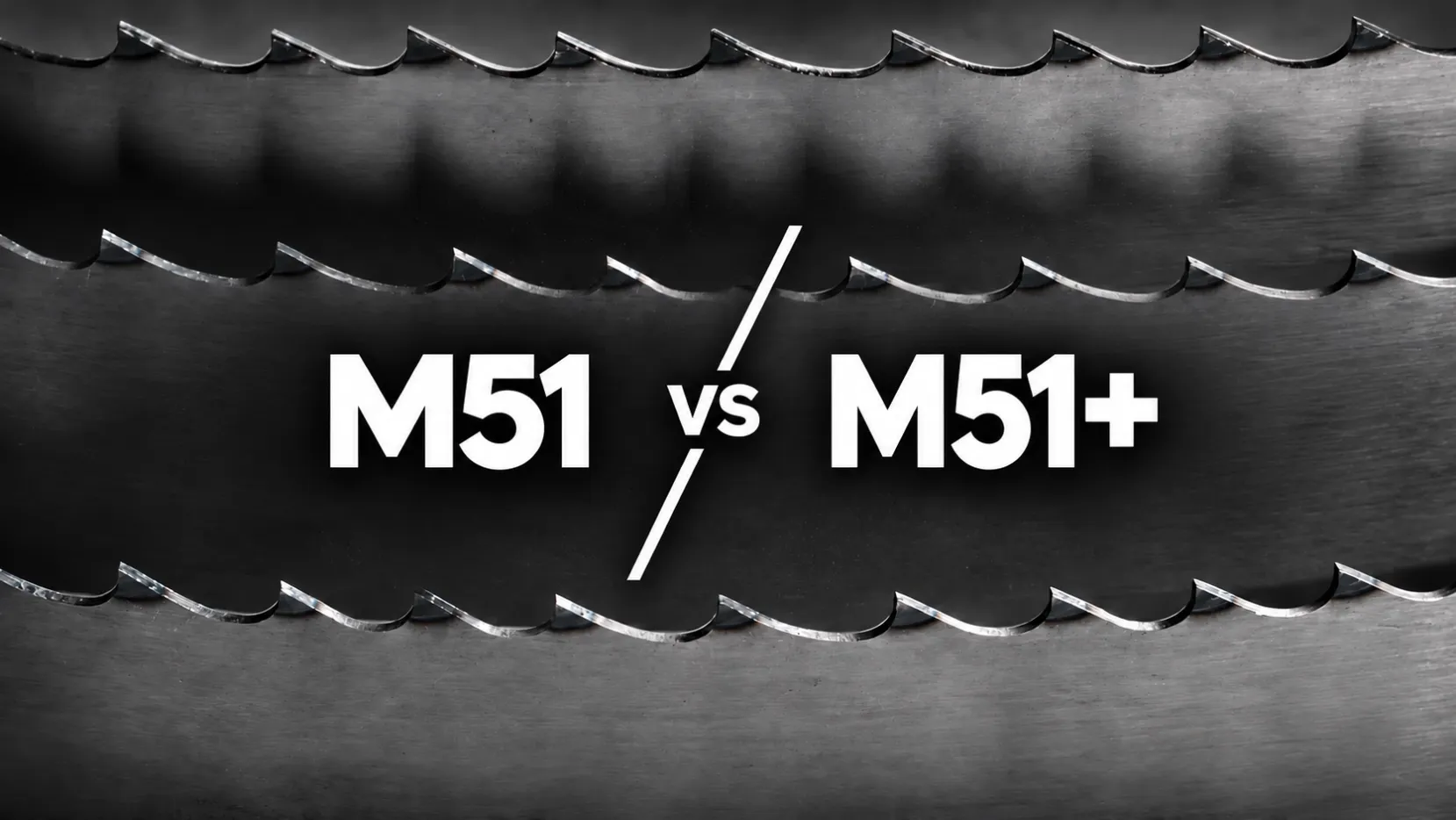
Compare LianJi M51 and M51+ band saw blades. Learn when to trial M51+ for stainless steel and how to compare blade cost per acceptable cut.
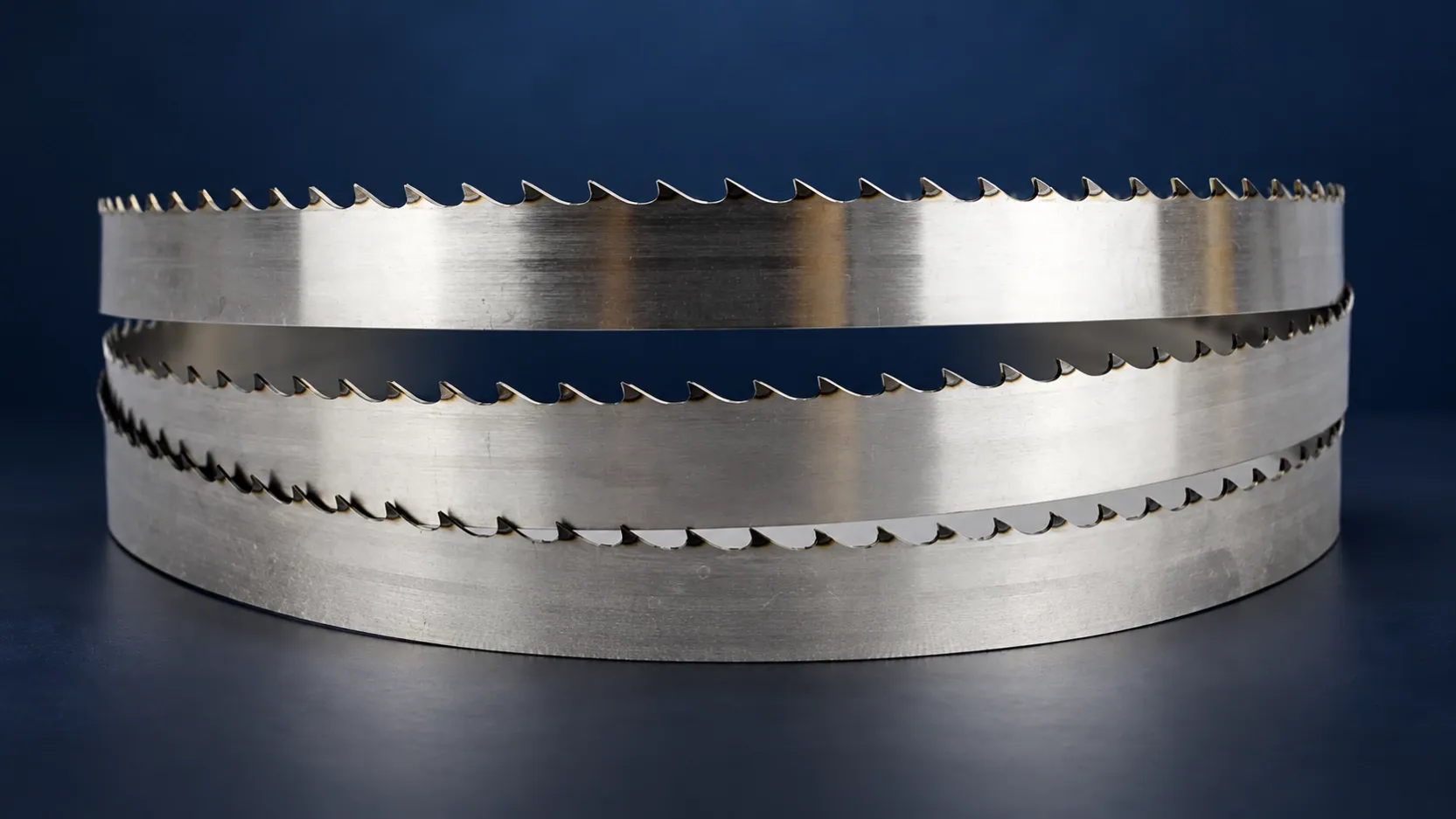
Learn why bimetal band saw blades combine HSS teeth with spring steel backing, how each material works, and what LianJi needs to recommend a blade for your application.
Recommended products
Popular pieces selected to support the routines, repairs, and ideas featured in our journal.
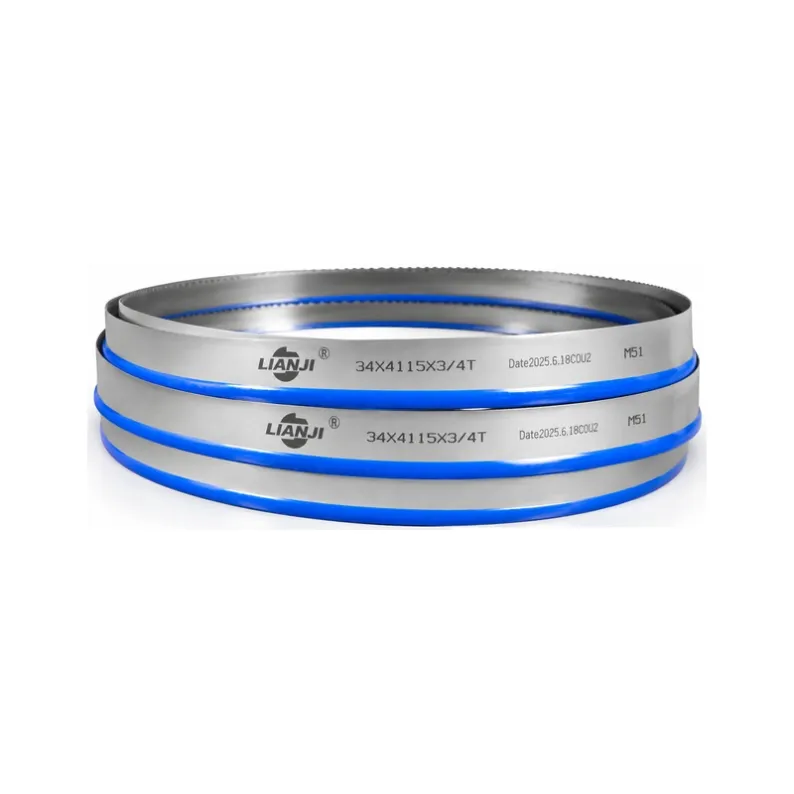
M51+ Bi-metal band saw blade is specifically designed for harder and difficult-to-cut materials like stainless steel, greatly reducing cutting forces. It provides better wear resistance and red hardness than M51.
M51 bi-metal band saw blade is built for difficult-to-cut materials and large solid sections — stainless steel, tool and die steel, alloy steel, bearing steel, titanium and nickel alloys — where M42 teeth wear too fast. Its M51 high-speed steel tooth edge (about 69 HRC) keeps its hardness at high cutting temperatures, so the blade lasts longer on hard, abrasive stock.
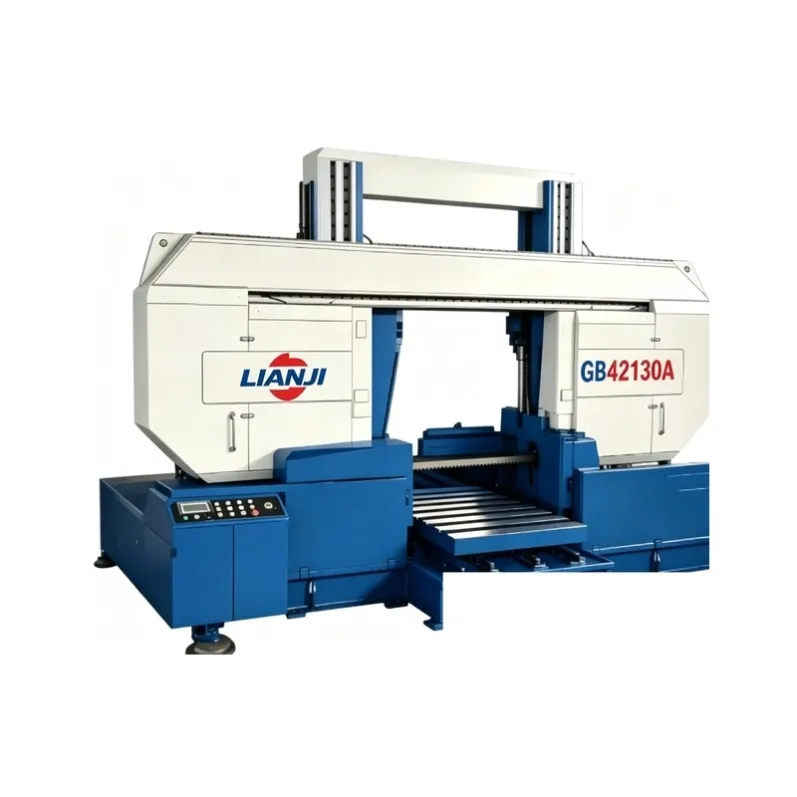
This Gantry-type metal band saw machine is designed for heavy-duty cutting of large metal workpieces. It is suitable for a wide range of materials, including structural steel, alloy steel, tool steel, and stainless steel, delivering a combination of high efficiency, cutting accuracy, energy efficiency, and stable performance. The machine is widely used for heavy-duty metal cutting applications across various industries.